



A need to change the industry paradigm around comfort
To serve end-users with a new testing protocol
66% feel their body armor is not as comfortable as it could be¹
1Source: Lippincott brand research North American market study, September 1 2020
The cost of discomfort
Discomfort and restricted mobility can cause wearers to adjust or remove armor too soon, leaving them vulnerable. Fatigue and strain weaken focus, slow reactions and raise the risk of injury.
Leveraging on wear trials and end-user feedback, Arclin collaborated with Hohenstein to introduce a new testing protocol to standardize comfort and mobility assessments, helping to ensure protective gear enhances safety, endurance and operational effectiveness.
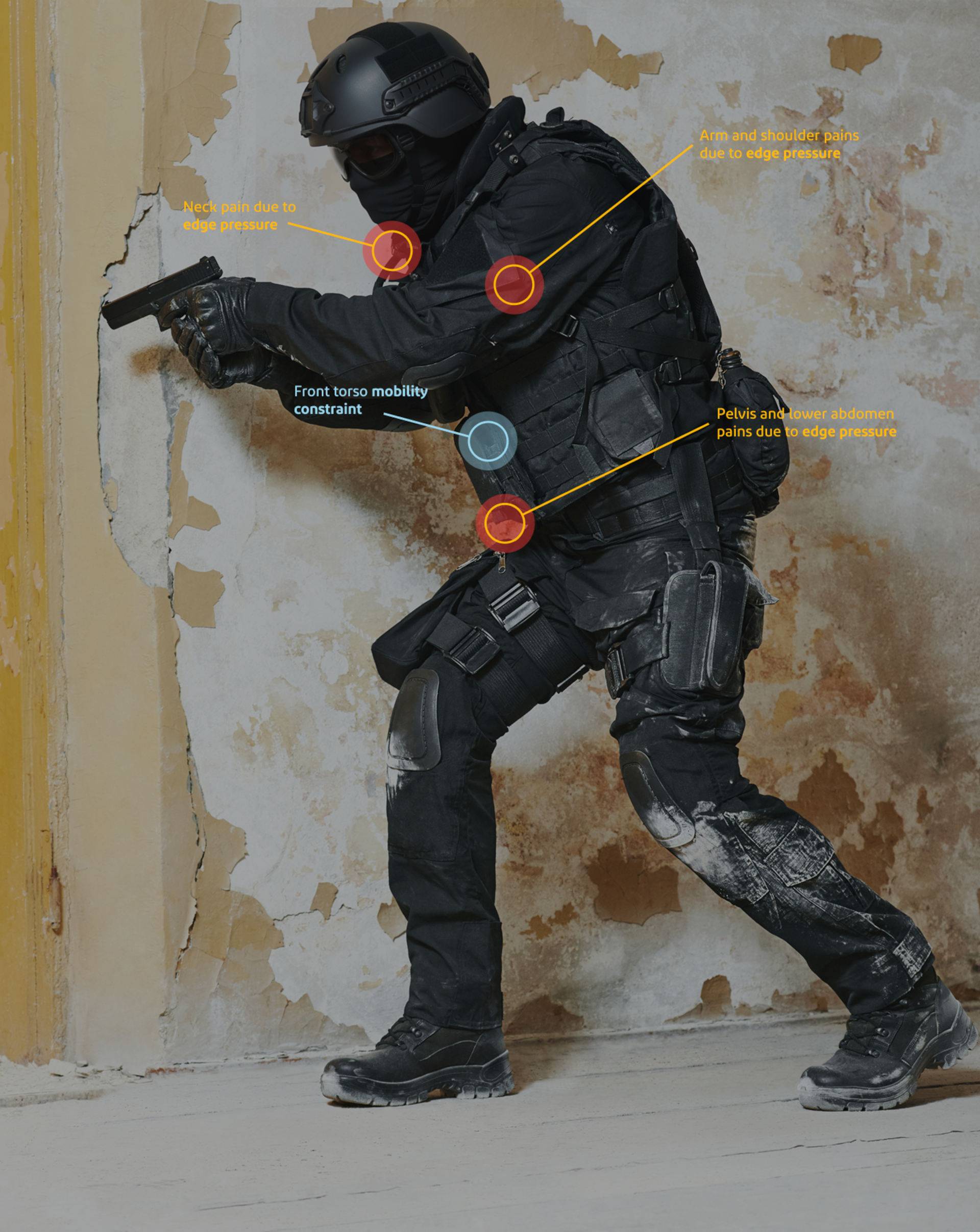
Real body motion to develop 3 new testing methods
By focusing on scenarios and movements identified by law enforcement and military forces, we developed tests based on anatomical principles that more effectively capture mobility constraints and sources of discomfort.
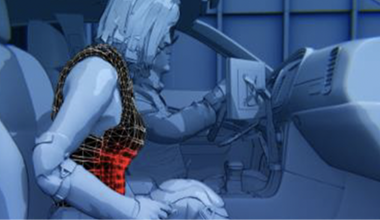
Lower costal bending test
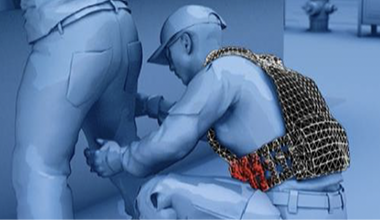
Double curvature compression test

Edge pressure test
Watch the video
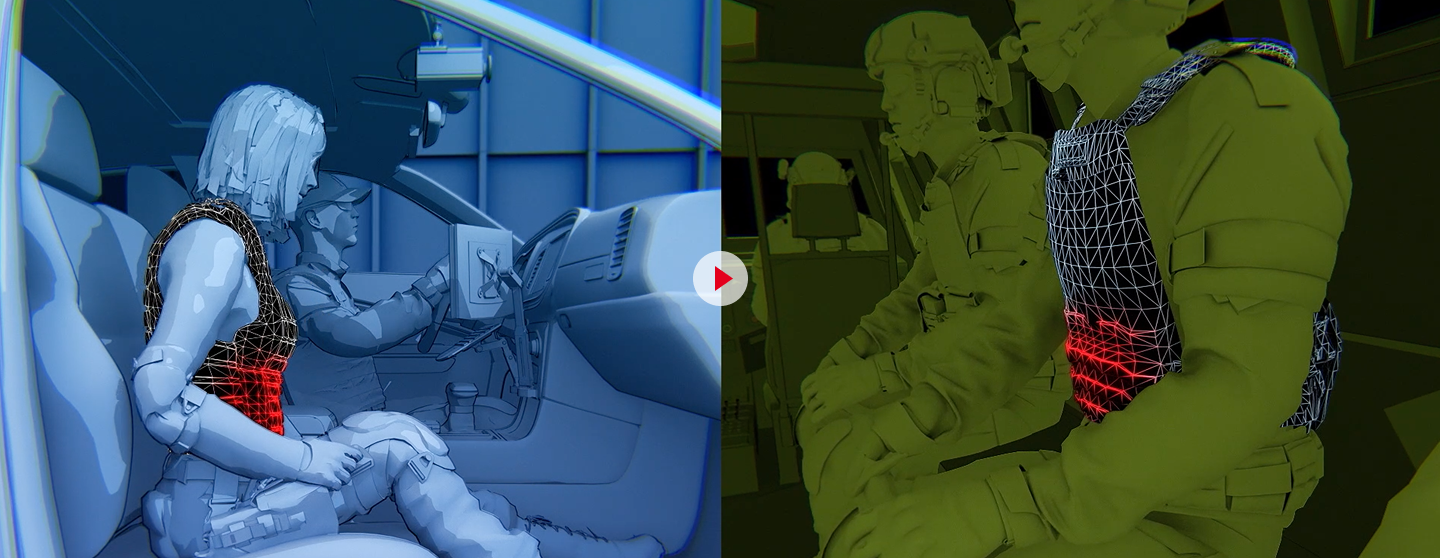
Innovative testing for real-world performance
These new mobility and comfort protocol redefine body armor evaluation, offering materials and designs in support of maximum agility and long lasting wearability without sacrificing ballistic performance.
LCB - Lower costal bending test
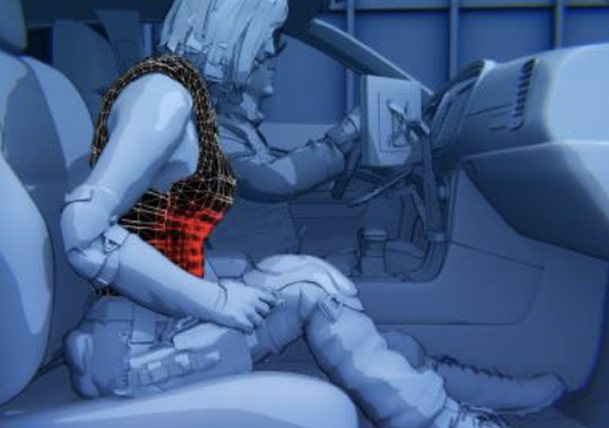
Determines the effort required to deform a soft ballistic panel or body armor soft ballistic insert.
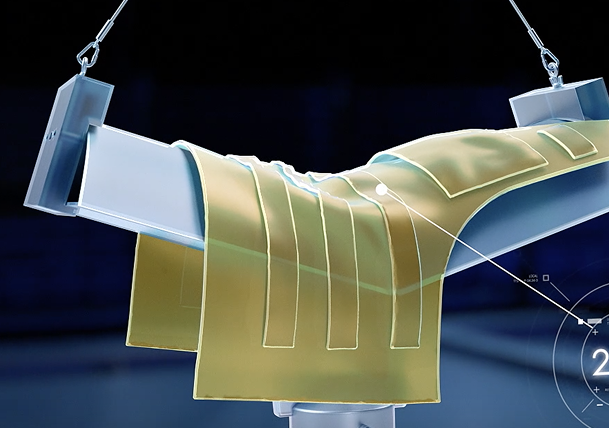
This test measures how well armor flexes with natural body movements. By simulating torso bending, this test can ensure that armor does not restrict movement, allowing wearers to maintain agility and responsiveness in high-stress situations.
DCC - Double curvature compression test
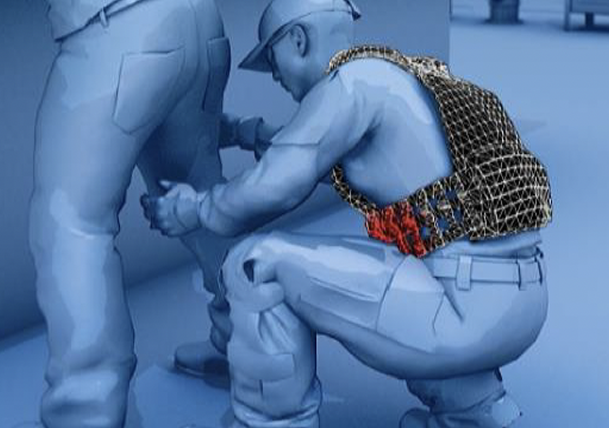
Determines the effort required to deform a ballistic panel.
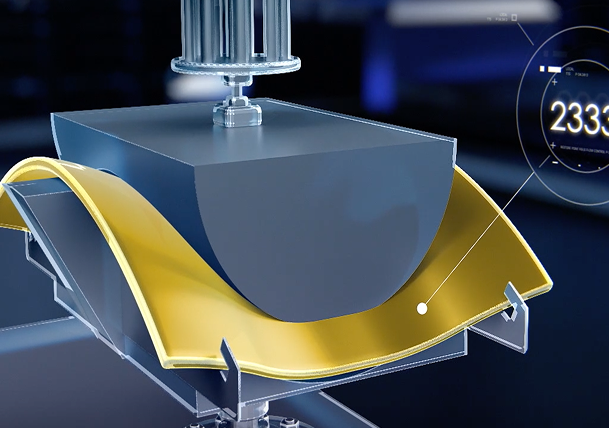
This test evaluates how well materials conform to complex body contours, ensuring that armor remains secure and comfortable without restricting breathing or movement. It supports the refinement of designs for optimal fit and flexibility.
EP - Edge pressure test
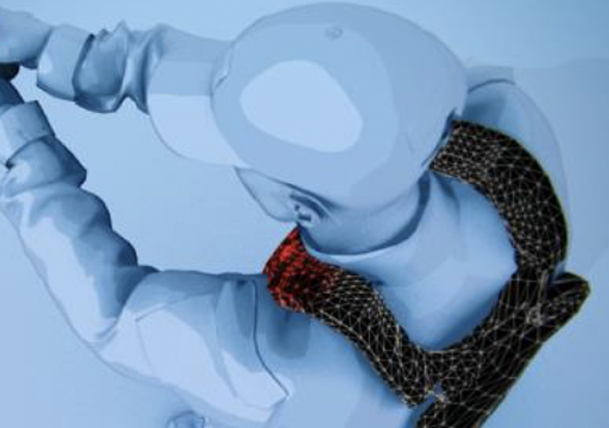
Determines the effort required to deform a ballistic panel test specimen at the edge.
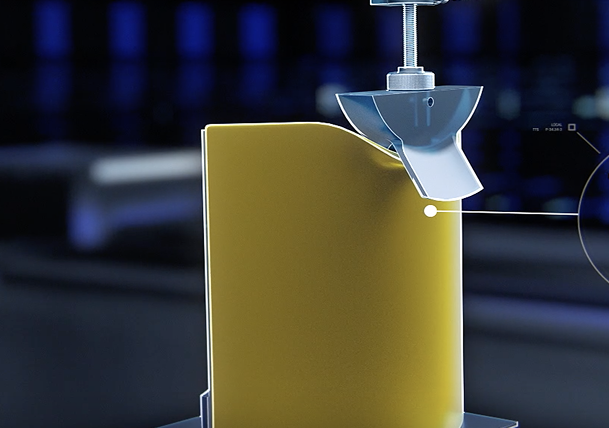
This test identifies pressure points that cause discomfort and restrict movement, helping eliminate pain during extended wear.
Critical factors in armor selection
These new test methods provide measurable data on comfort and mobility, giving purchasers of soft body armor critical insights allowing for more informed decisions. With concrete numbers now available, safety, mobility and long-term wearability can be objectively evaluated, helping to ensure armor that can truly protects without compromising comfort.

Involving the value chain at the Service of end-users
Integrating these tests into procurement and early evaluation can drive material innovation, advancing flexible high-strength fibers that can enhance protection, mobility and long-term wearer support.

To develop more flexible innovative fibers and structures with high mechanical properties

To maximize combination of materials to reduce pains and mobility constraints while meeting required ballistic performance

To specify a test method for comfort and mobility assessment into tenders and in early stage of the candidate selection process